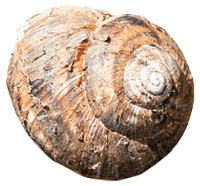
Modigliana viticulure can be addressed as a mountain

one holding sea memories.

by Francesco Bordini

Modigliana

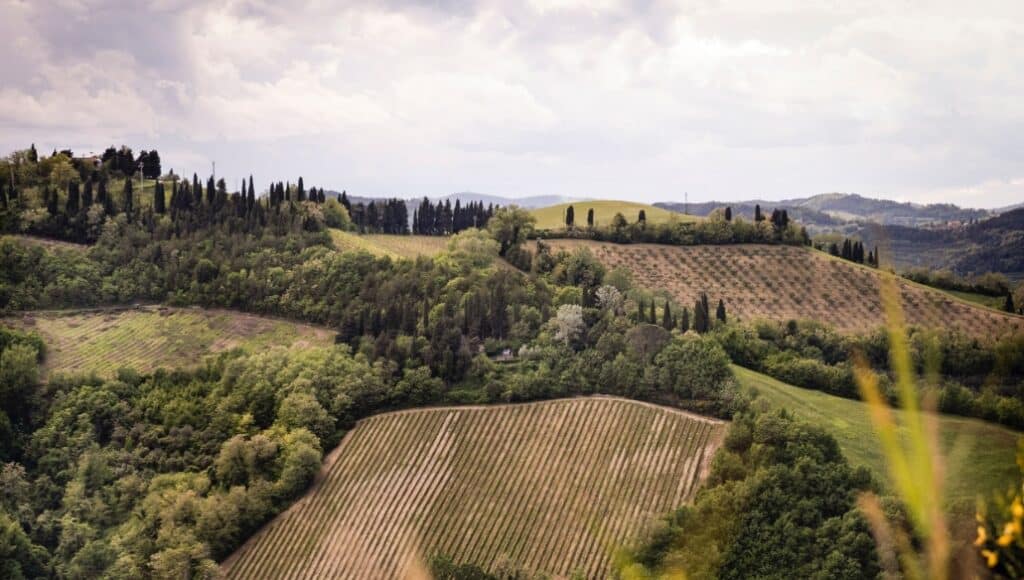
Situated in the Modigliana hills, in the district of Forlì-Cesena, the Ronchi di Castelluccio estate looks like a promontory that protrudes from the sea around the surrounding hills, especially when the whole lowland is wrapped with a thick blanket of fog. The Adriatic Sea lies not far from here, but at the same time, it is, more than ever, alive in the soil. This happened because of the geological evolution of this territory which originally belonged to the Mediterranean Sea, that, eventually, retreated.

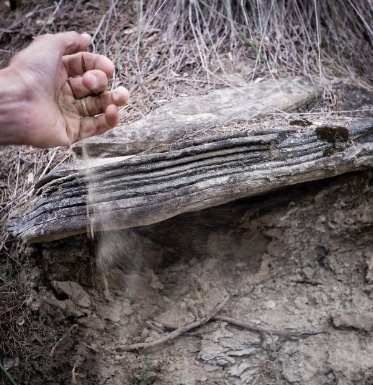
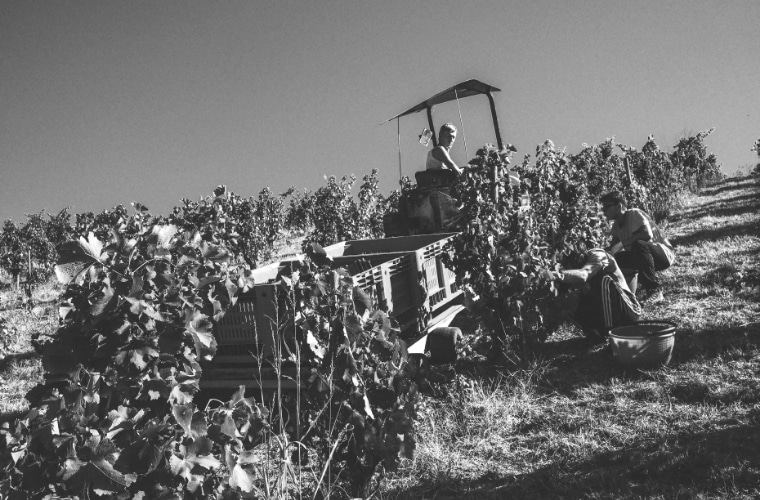
Modigliana is a stratification of sedimentary rocks that were created millions of years ago by the calcification of sands (sandstones) and clays (marls). Even today, soil continues revealing its past to us, bringing authentic underwater treasures to the surface every time we touch the ground. Vineyards, at an altitude of between 253 and 411 metres above sea level, with a slope of almost 40%, are situated on a vast area created by the falling of calcium salts from the water when, approximately six million years ago, in this area, there was the sea and today there are subsoils composed of marl and limestone, soils that lose their clay-like conformation and become loose, sandy and poor ground. An ideal condition for viticulture committed to quality.

B

Il bosco (the woods)

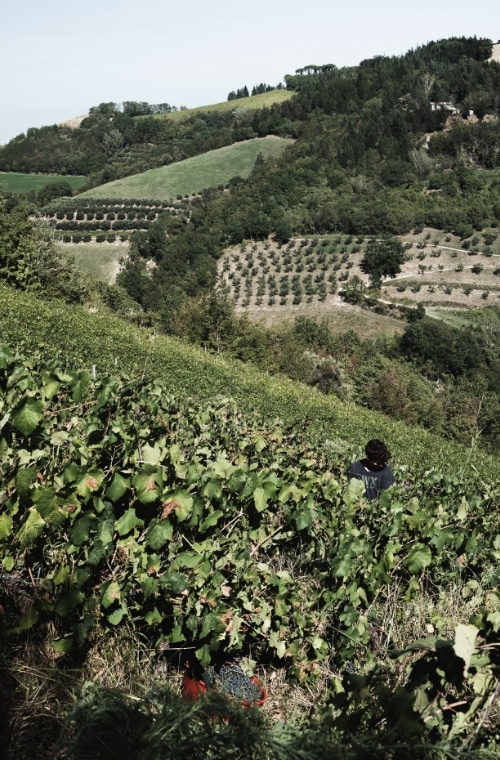
Before Tuscan-Romagnolo Apennine’s heights slowly give way to great plains, Modigliana steep hill peek out, revealing harsh ground that makes its way through thick woods. Here, it is possible to find the “ronchi”, delicious small clearings in the middle of the woodland where we grow our vines, where Sangiovese, Cabernet and Sauvignon Blanc acquire unique features, thanks to climate and soil’s uniqueness.

On this large geological area, made up of a compact layer of marls (clays) and sandstones (sands), poor soils that are difficult to cultivate because of steep slopes, micro-zones have been identified as particularly suitable for the production of quality wine. The idea, simple, audacious and polished at the same time, was to cultivate small fields in the Apennine woods, locally called Ronchi (because they were manually created with an archaic billhook called “roncola”), to produce single-vineyard wines from each of them. The Ronchi hold different traits because of their position and the woody vegetation that grows around them.

This area is surrounded by vast woodland formations, broom, rowan, jujube, cherry and pomegranate trees.
What is more, there are oak, chestnut and beech trees, with ancient olive trees filling up the skyline, becoming an excellent example of biodiversity.

The bush is rich in broom, rowan, jujube, cherry, pomegranate and secular olive trees

M

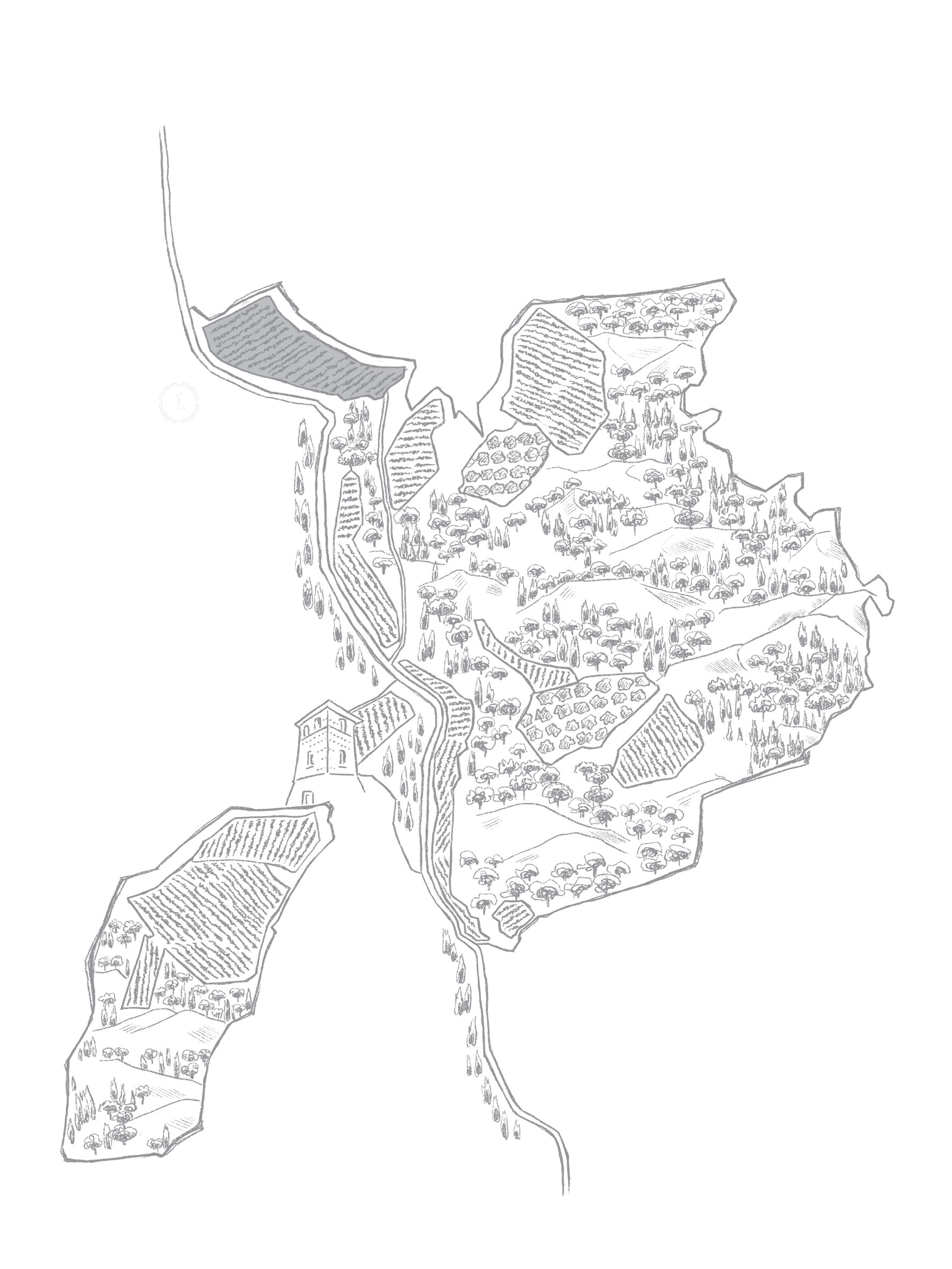
North-east exposure
Altitude 360 metres above sea level
Calcareous marl with sandy loam texture
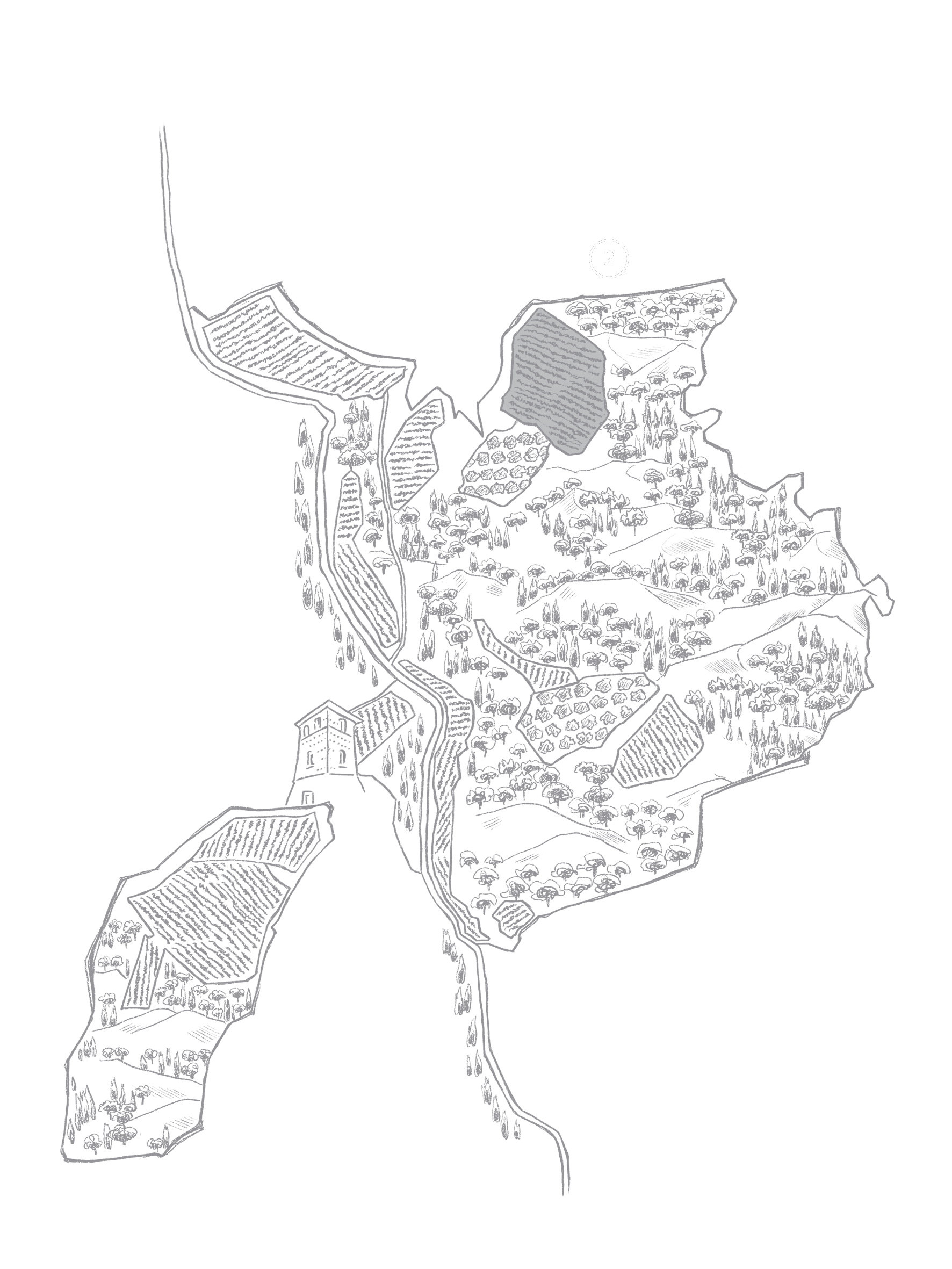
North-west exposure
Altitude 300-420 metres above sea level
Limestone marl and sandstone with sandy loam texture
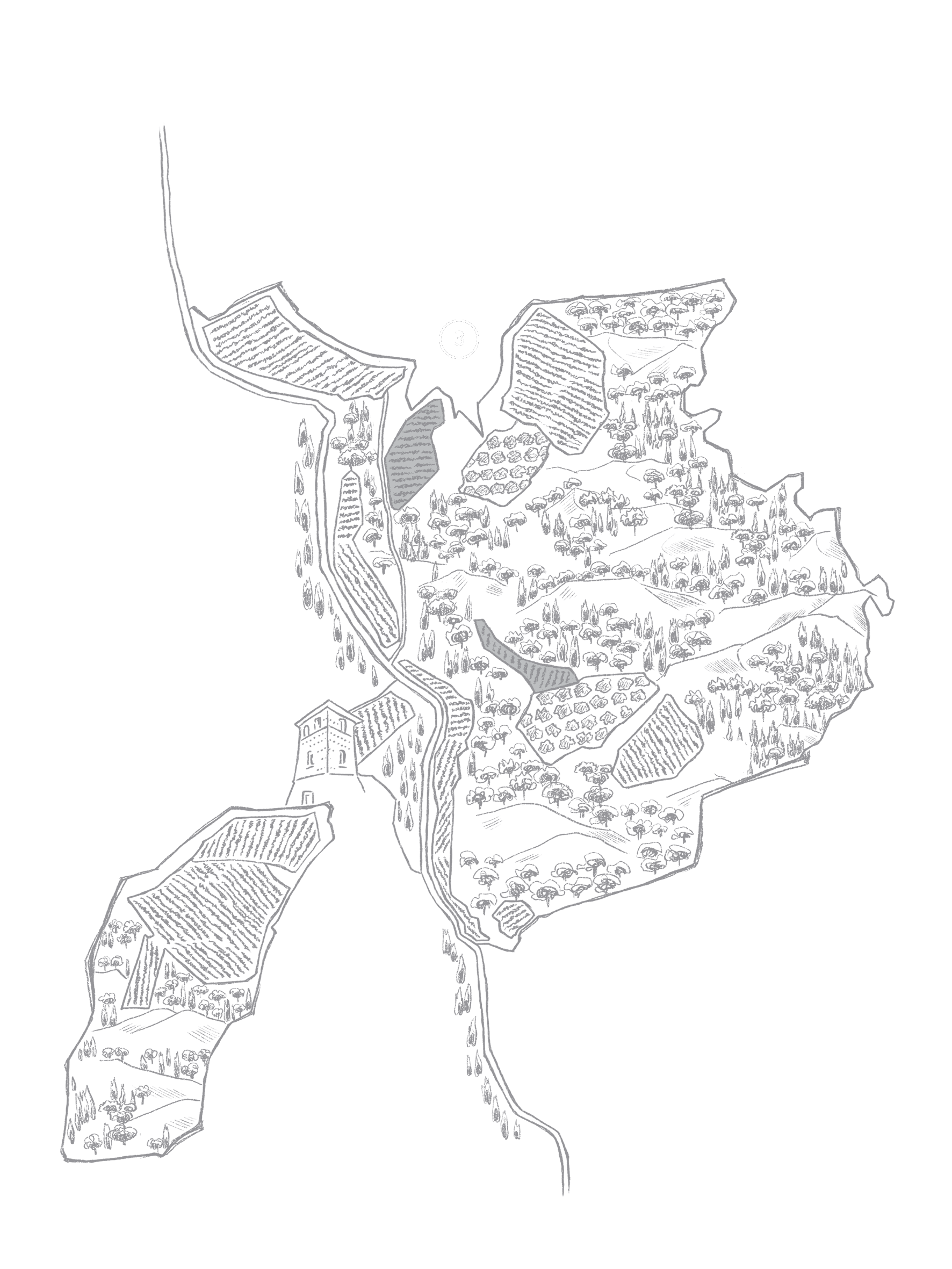
North-east exposure
Altitude 330 metres above sea level
Calcareous sandstone with sandy loam texture
Exposure to the east
Altitude 300 metres above sea level
Calcareous sandstone with sandy loam texture
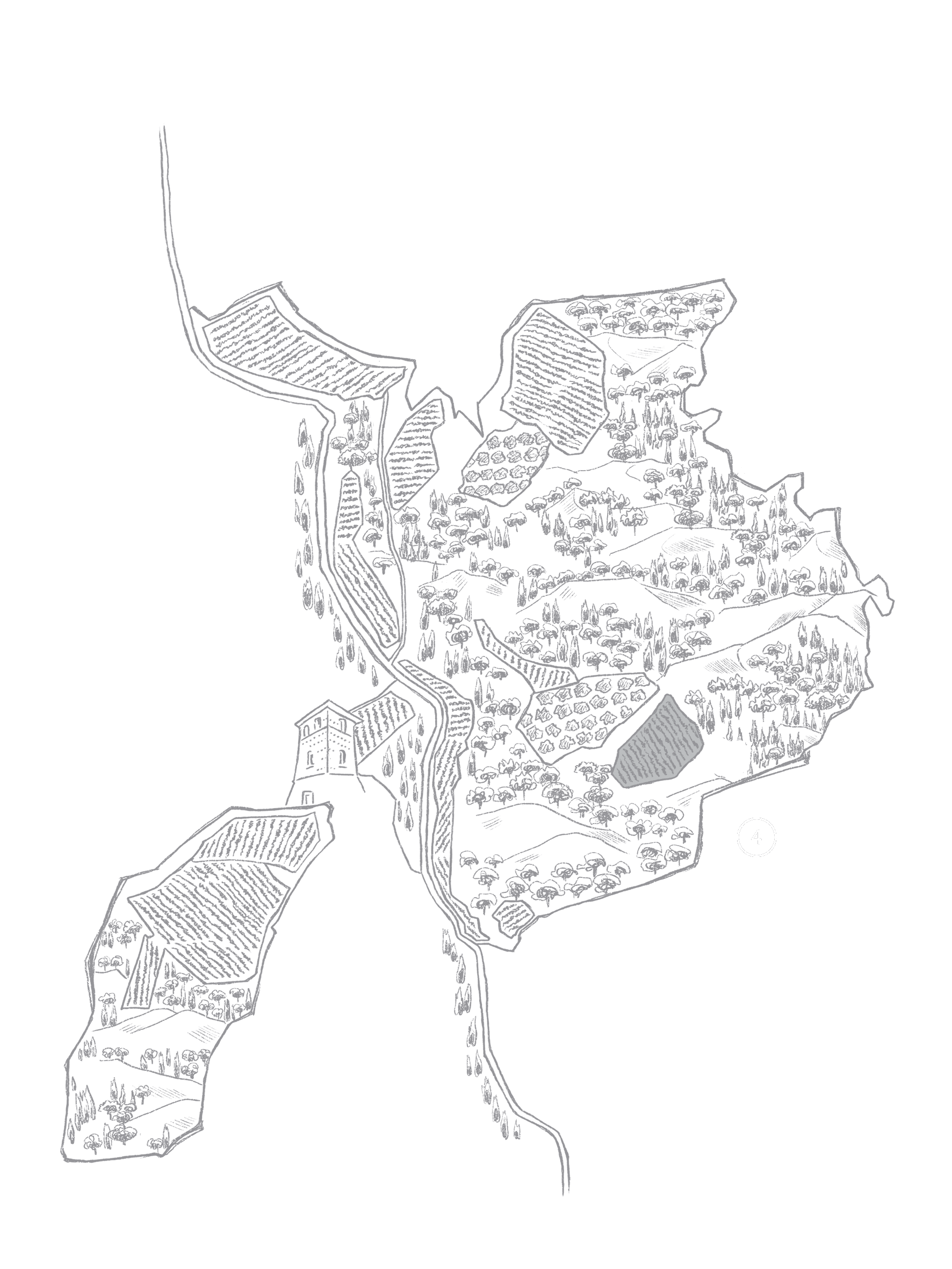
North-east exposure
Altitude 370 metres above sea level
Calcareous marl with sandy loam texture
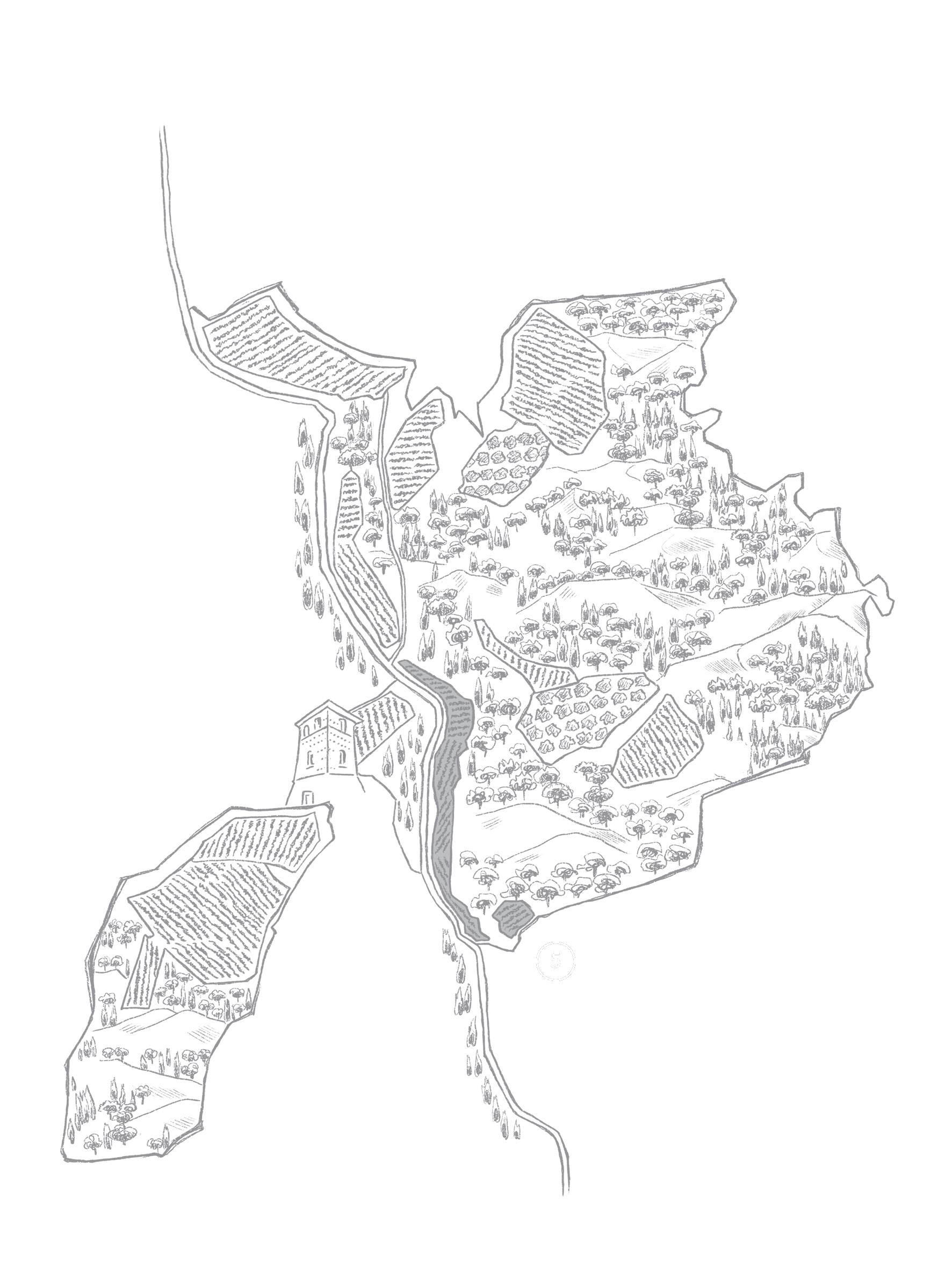
Southern exposure
Altitude 390 metres above sea level
Limestone marl and sandstone with sandy loam texture
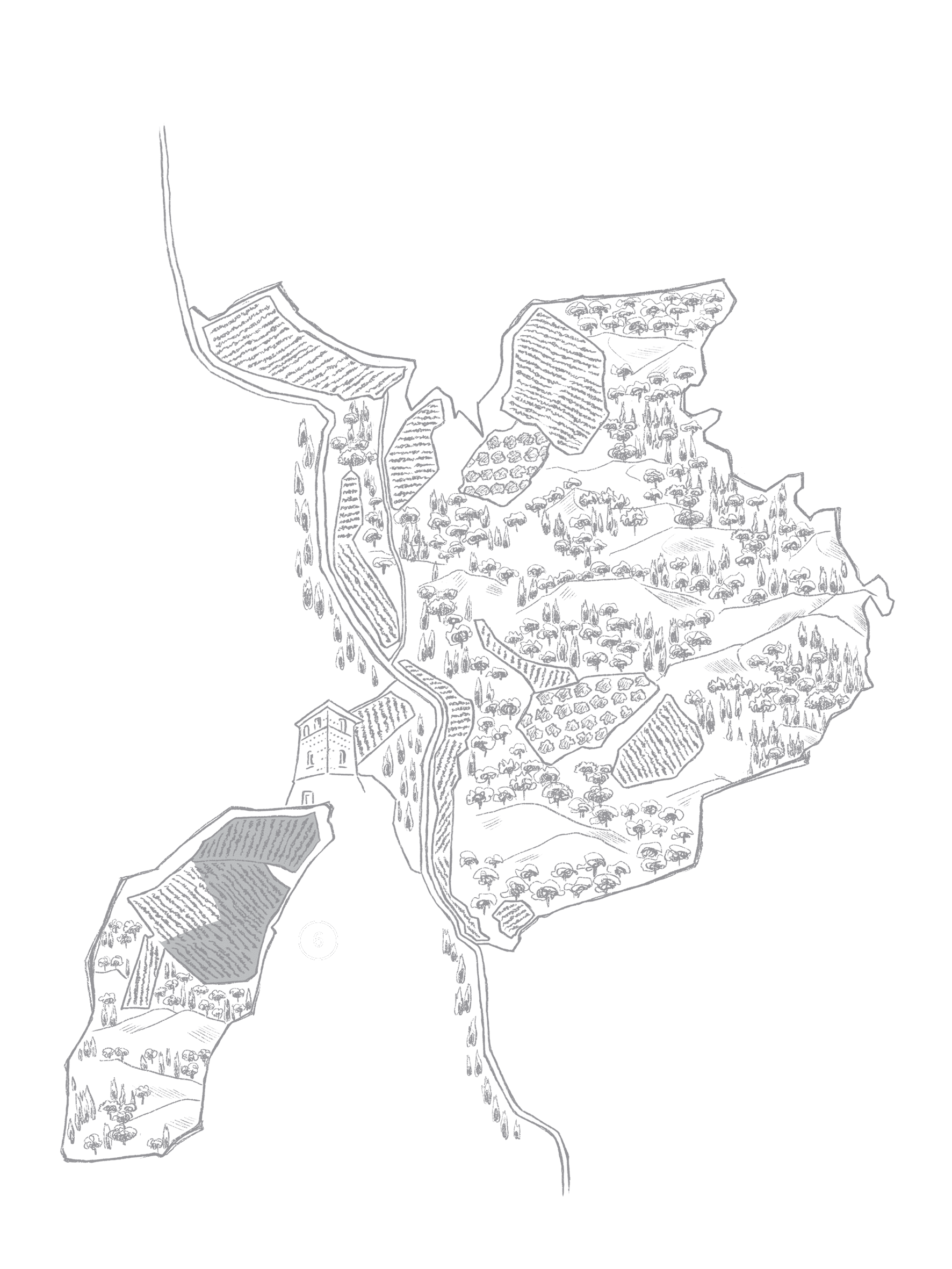
South-west exposure
Altitude 350 metres above sea level
Limestone marl and sandstone with sandy loam texture
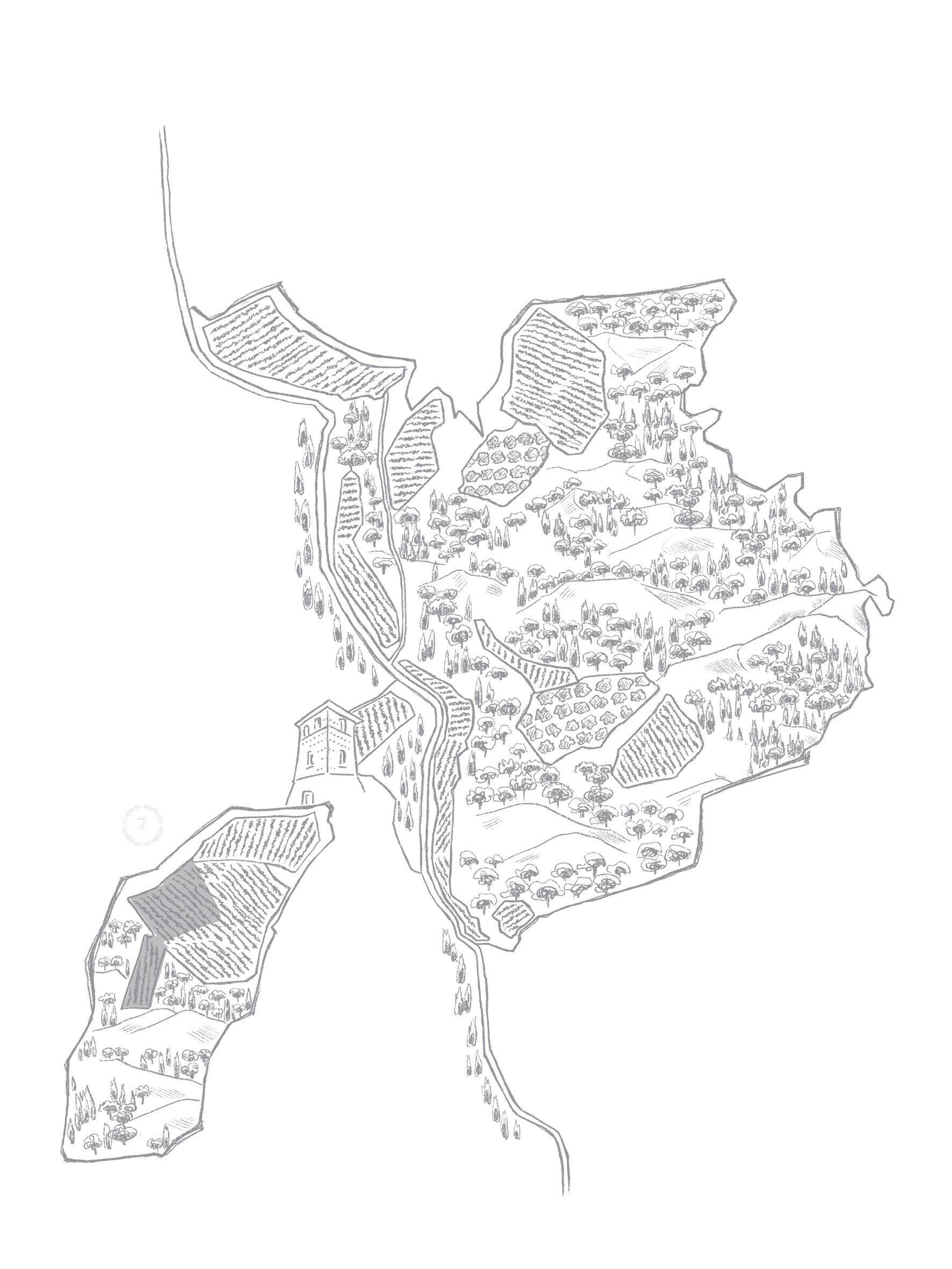
North-west exposure
Altitude 390 metres above sea level
Calcareous marl with sandy loam texture
North-east exposure
Altitude 370 metres above sea level
Calcareous marl with sandy loam texture
1 RONCO CASONE

North-east exposure
Altitude 360 metres above sea level
Calcareous marl with
sandy loam texture

2 Lunaria
3 Ronco dei ciliegi
4 buco del prete
5 ronco del re
6 Sottovento
7 Le more
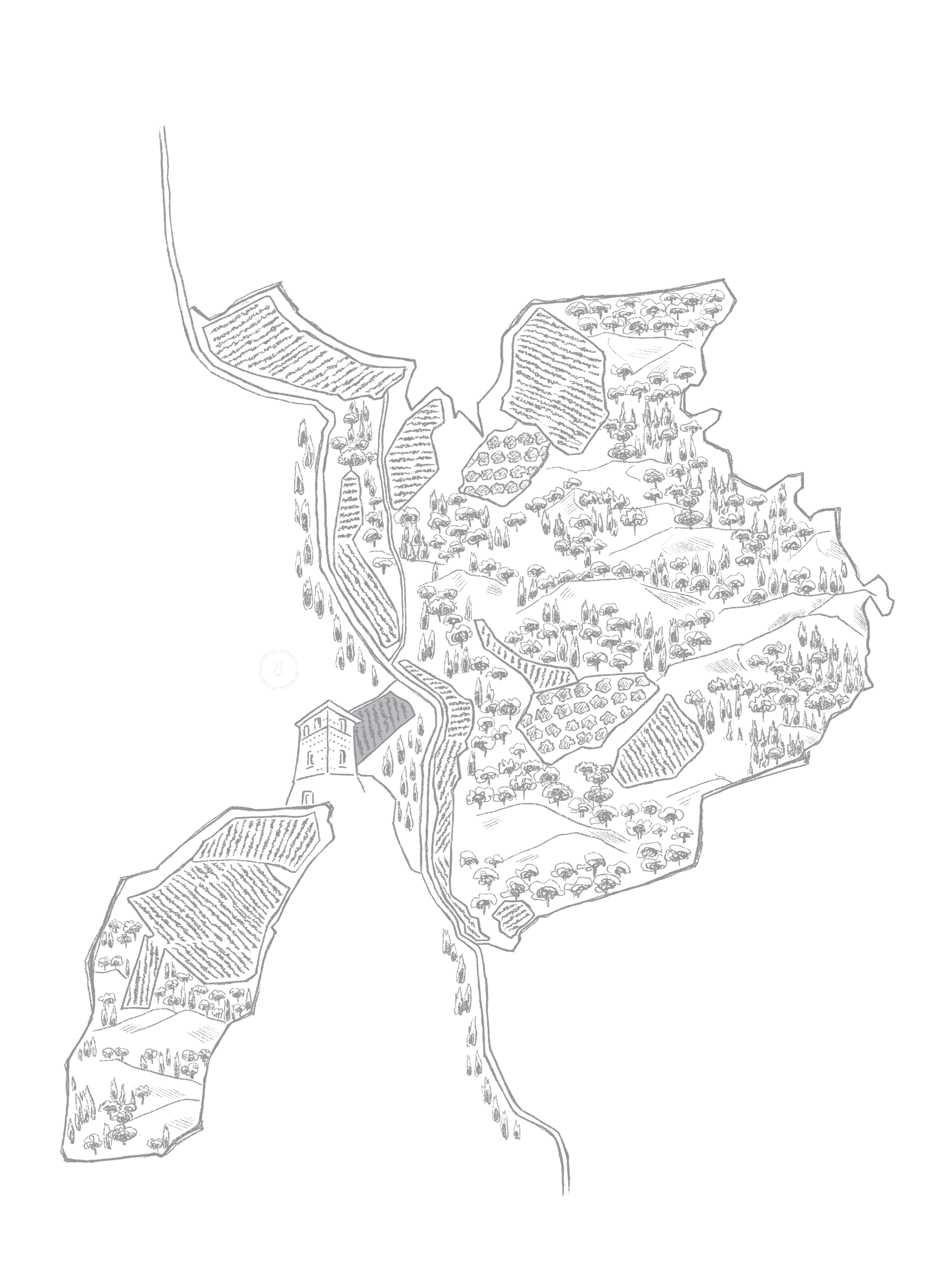
8 IL POGGIOLO
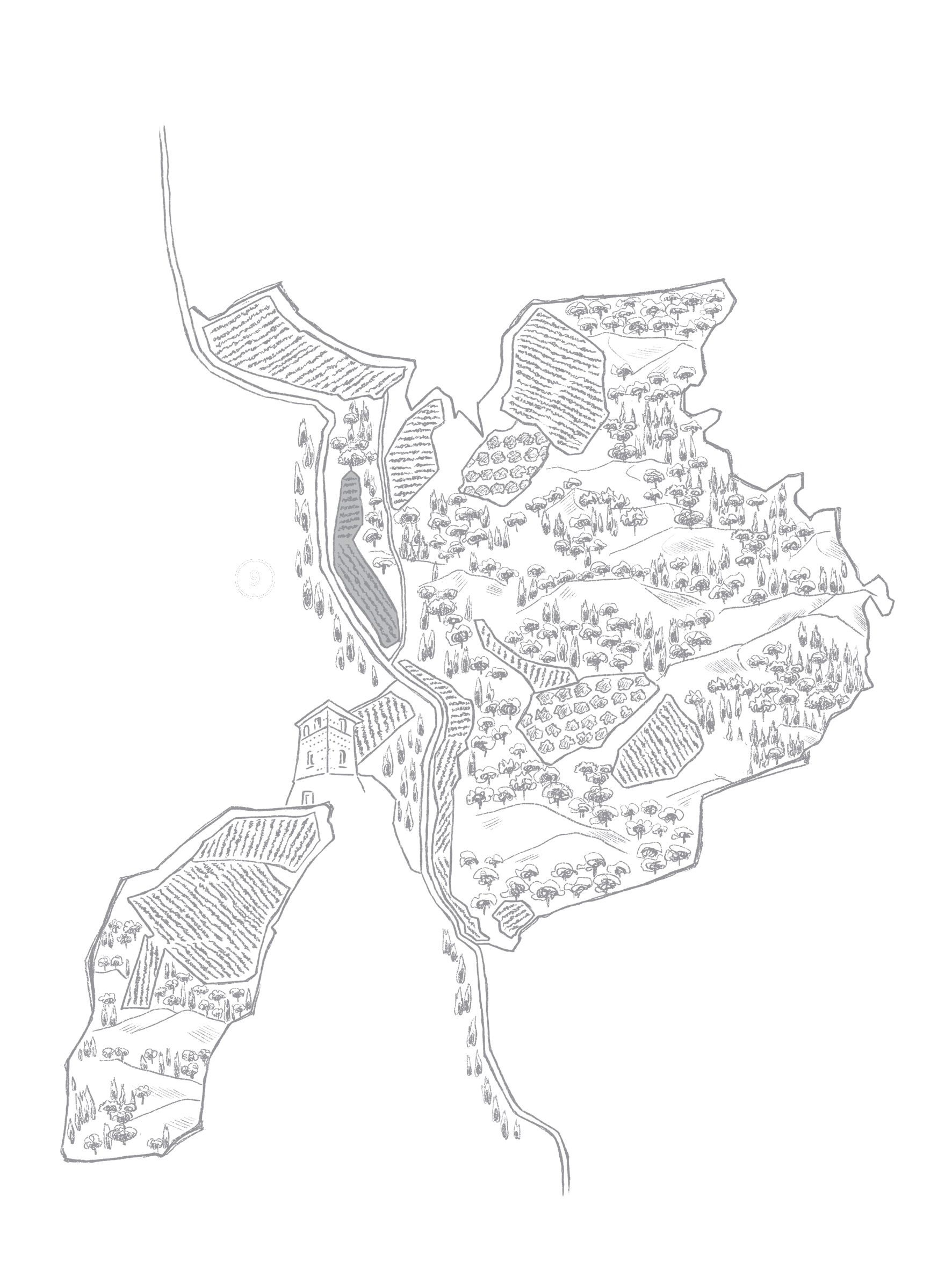
9 RONCO DELLA SIMIA

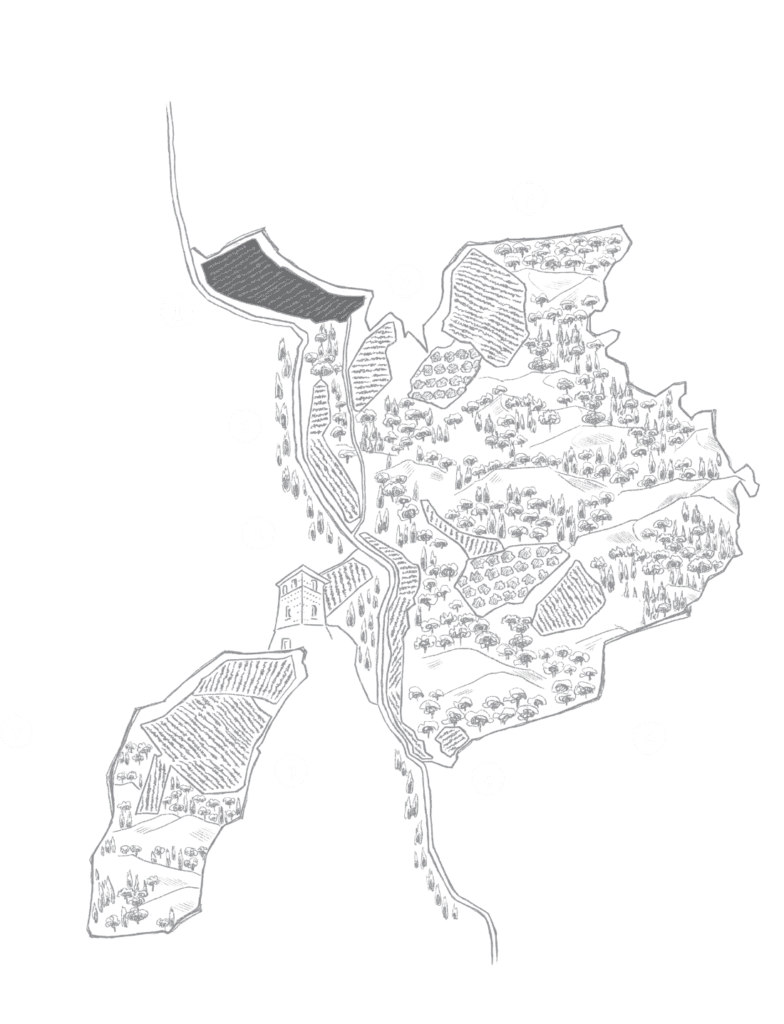
1 RONCO CASONE

North-east exposure Altitude 360 metres above sea level Calcareous marl with sandy loam texture

2 Lunaria

North-west exposure Altitude 300-420 metres above sea level Limestone marls and sandstones with loose texture sandy

3 Ronco dei ciliegi

North-east exposure Altitude 330 metres above sea level Calcareous sandstone with sandy loam texture

4 buco del prete

Exposure to the east Altitude 300 metres above sea level Calcareous sandstone with sandy loam texture

5 ronco del re

North-east exposure Altitude 370 metres above sea level alcareous marl with sandy loam texture

6 Sottovento

Southern exposure Altitude 390 metres above sea level Limestone marl and sandstone with sandy loam texture

7 Le more

South-west exposure Altitude 350 metres above sea level Limestone marl and sandstone with sandy loam texture

8 IL POGGIOLO

North-west exposure Altitude 390 metres above sea level Calcareous marl with sandy loam texture

9 RONCO DELLA SIMIA

North-east exposure Altitude 370 metres above sea level Calcareous marl with sandy loam texture

Ricerca

Via Tramonto 15,
Modigliana (FC) Italy
T.+39 347 212 1158

info.ronchidicastelluccio@rdcpdd.com